How Fast Fashion Is Changing Apparel Manufacturing
Fast fashion has compressed the time between a market signal and a selling season, but speed alone is not a sourcing strategy. Frequent drops, smaller experiments, digital feedback, and changing customer expectations increase the need for disciplined product information and quicker decisions. For overseas apparel buyers, the practical question is how to respond without losing control of fit, materials, quality, or brand identity. A flexible process begins with a clear brief and realistic communication about what can still change.
From trend signal to product brief
Trend references need to become decisions a development team can act on: target customer, silhouette, material direction, color, price position, size range, and delivery purpose. Separate inspiration from elements you want to copy exactly, and respect intellectual-property boundaries. A focused brief lets a supplier assess construction and source material options. Vague requests for a 'trending' item often create extra sample rounds because the visual goal and commercial target were never aligned.
Make development decisions faster, not looser
Speed comes from fewer ambiguous handoffs. Use one dated tech pack, a single comment owner, annotated photographs, and clear approval choices. Prioritize the risks that affect wear and repeatability—fit, fabric behavior, closure function, and color—before refining minor details. A supplier can support product development and sampling, but it cannot reliably infer a brand's target customer or tolerance for compromise. Fast feedback is valuable only when it is consolidated and decisive.
Build a responsive sourcing plan
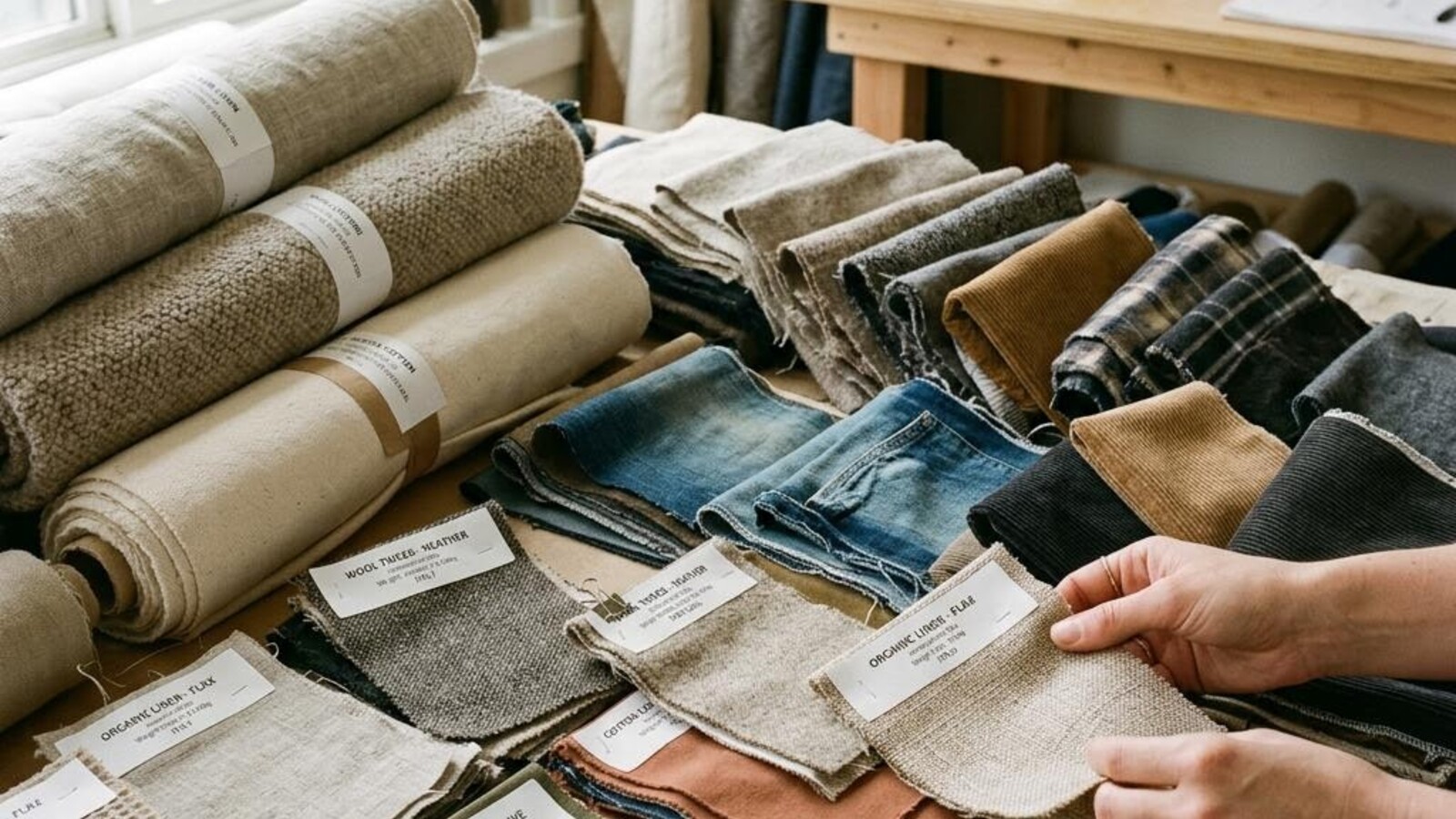
Avoid assuming every material is immediately available or interchangeable. Ask about sourcing options early and compare their hand-feel, color, minimums where relevant, and development implications. Plan a core set of repeatable blocks or components where that suits the brand, while reserving development effort for distinctive pieces. Keep material and trim alternatives documented so a change is a conscious commercial choice rather than an undocumented last-minute substitution.
Protect quality while changing quickly
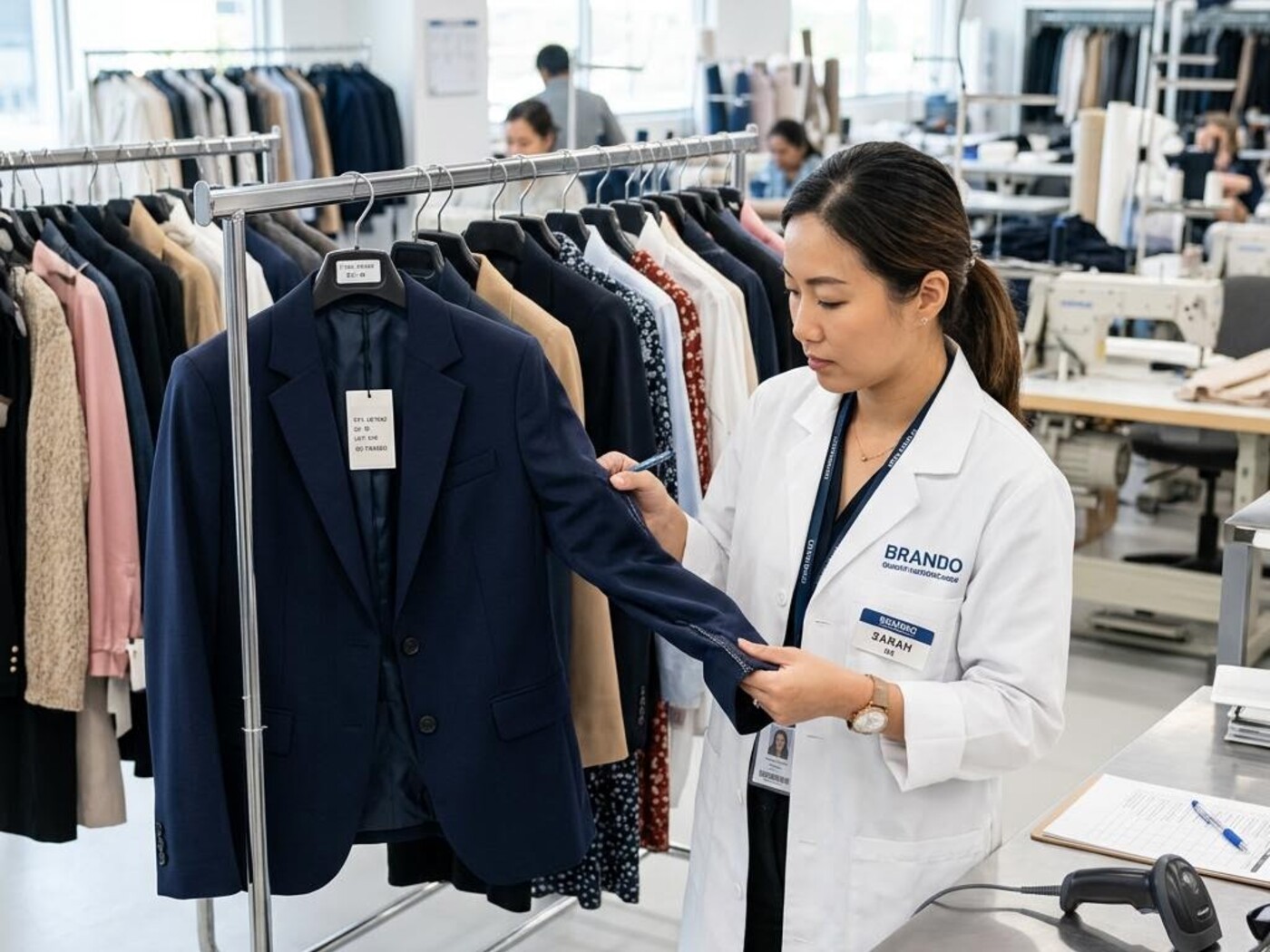
A rapid calendar still needs an approved sample, measurable standards, in-process control, and final packing instructions. Each new colorway or fabric can introduce different risks. Before bulk, verify the current measurement chart, bill of materials, artwork, labels, and carton requirements. If time is limited, simplify the number of variables rather than skipping the checks that protect customer experience. Speed without control often shifts work from development into costly correction.
A practical operating rhythm
Run a weekly buyer-supplier review covering open samples, material decisions, artwork, approvals, risks, and next owner. Record changes and their cost or calendar effect. Bolong has supported international womenswear markets for more than 30 years, offering development through shipment coordination; program suitability still depends on the brief and current requirements. The most resilient fast-fashion process is transparent: it makes priorities visible and prevents urgency from becoming guesswork.
Partner with Bolong
Applying these principles is easier with an experienced manufacturing partner. Bolong has over 30 years of experience managing the complexities of international womenswear production.
Discuss your requirements