From Sample to Bulk: How a Women's Jacket Is Manufactured
A women's jacket moves from concept to bulk through decisions that affect fit, appearance, cost, and repeatability. Jackets combine shell fabric, lining, interfacing, pockets, closures, and often structured details, so a good-looking early sample is not yet a production instruction. Overseas buyers get better results when each stage produces a clear output: an approved brief, confirmed materials, a measured sample, controlled bulk execution, and documented packing. The following route helps buyers know what to review and when.
Define the production brief
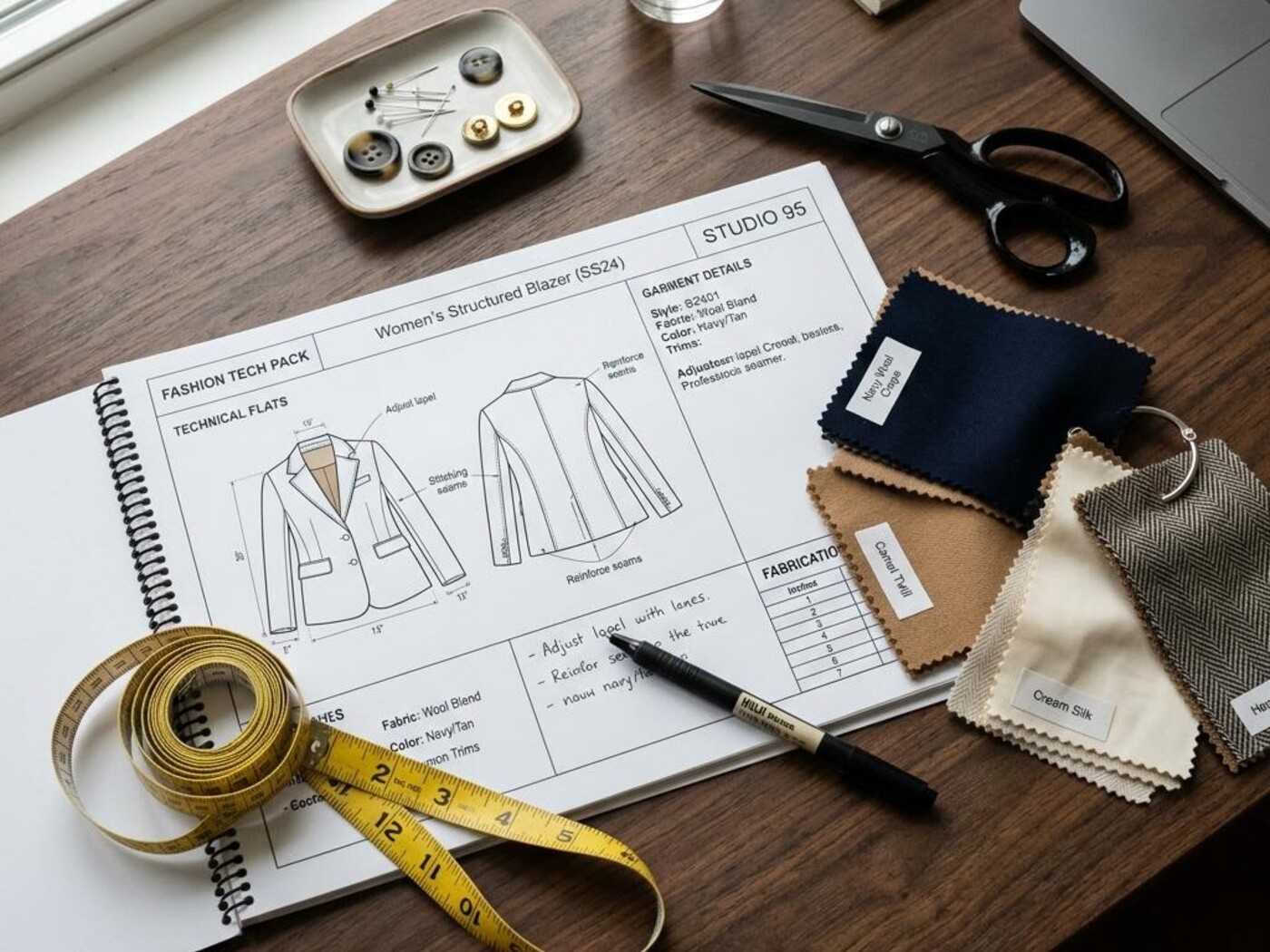
Begin with flats or sketches, a measurement chart, size range, construction callouts, bill of materials, labels, artwork, and target market. Describe the intended fit rather than relying only on a reference garment. Identify visible risk points such as collar shape, shoulder structure, pocket placement, zipper type, topstitching, seam allowance, and lining behavior. If a detail is optional, say so; otherwise a factory may quote or sample a different assumption.
Develop and approve the sample
The first sample tests pattern interpretation and construction. Give consolidated comments with measured corrections, photographs, and a decision for every point: approve, revise, or investigate. Once fit and materials are settled, approve a pre-production sample as the bulk reference. Record fabric and trim codes, color standard, measurements and tolerances, label placement, workmanship expectations, and packing. A late design change can affect both material use and workflow, so assess it before bulk begins.
Prepare materials and cutting
Bulk fabric and trims should be checked against the approved reference for identity, color, width or usable yield, and apparent defects according to the agreed process. The pattern is graded and markers are planned before panels are cut. Directional fabrics, plaids, nap, coating, and left-right components need special attention. Buyers should ask what material substitutes require approval and how shade grouping, if relevant, will be handled rather than assuming all rolls behave identically.
Sew, finish, and control the details
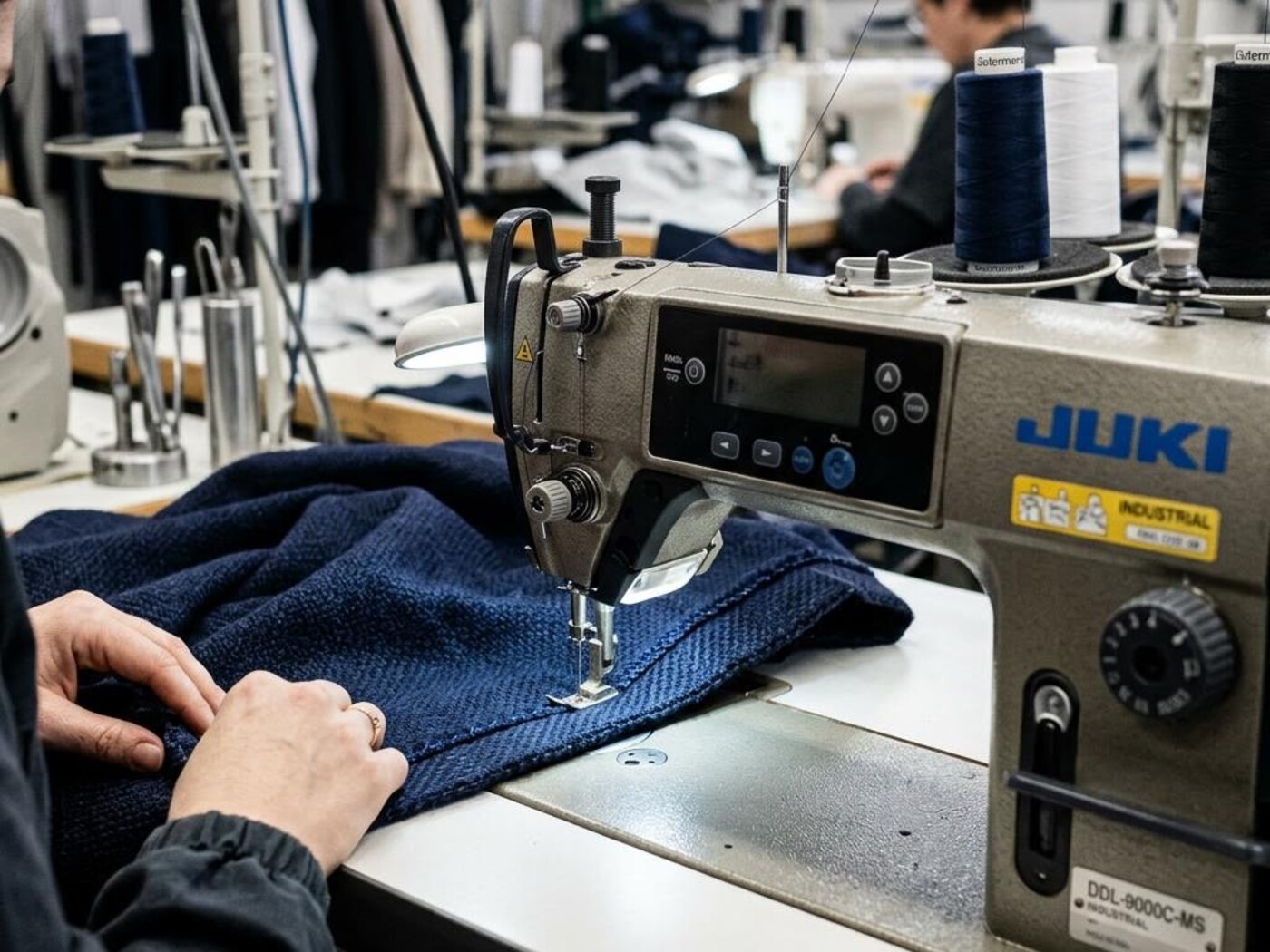
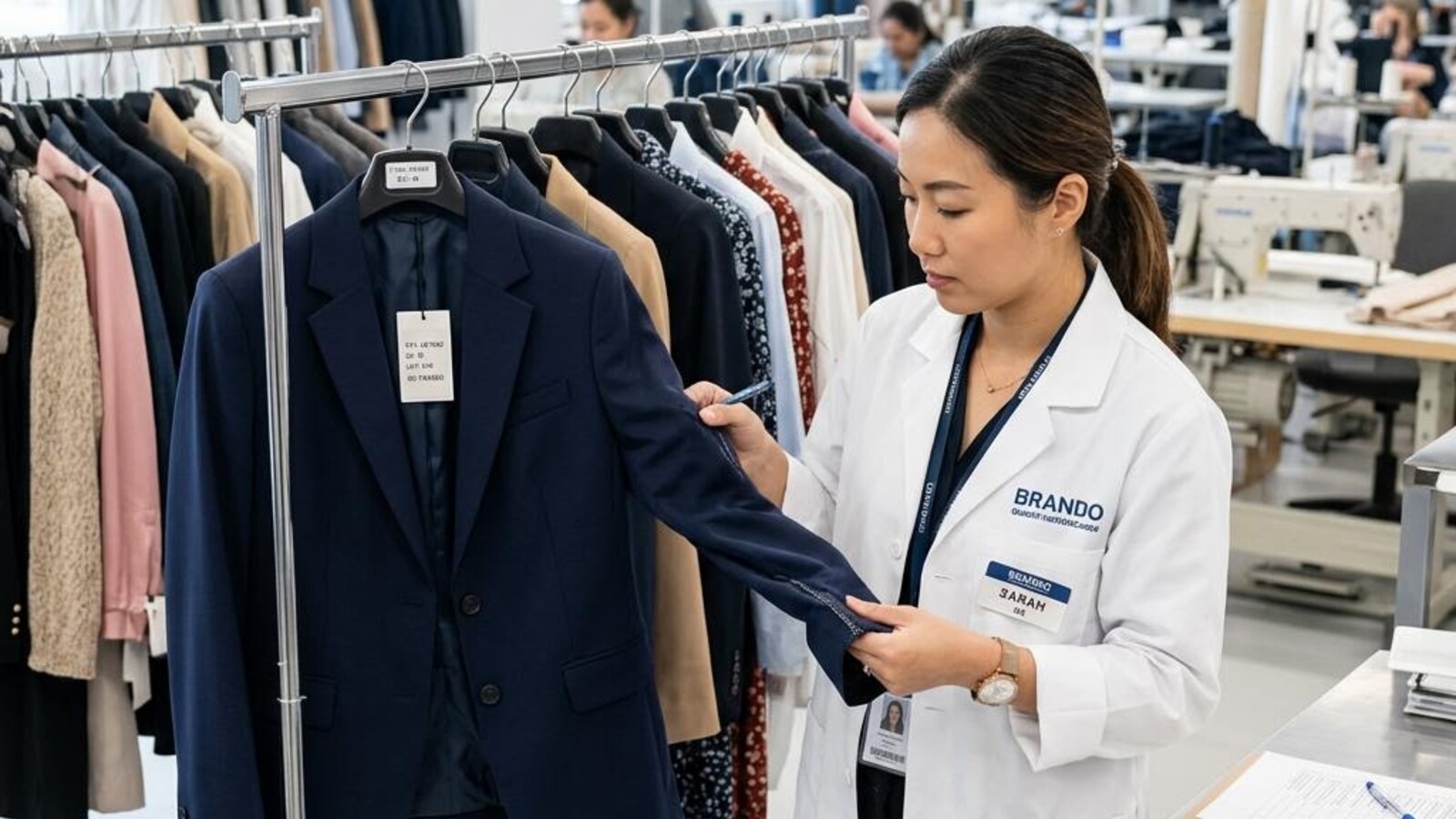
Panels are assembled in an order that supports clean seams and access to internal components: pockets and darts may be completed before shells and linings are joined; collars, sleeves, closures, hems, and pressing follow the construction plan. In-process checks help catch measurement drift, puckering, skipped stitches, mismatched panels, or hardware issues before they spread. Finishing includes thread trimming, pressing, labels, and a final review against the agreed standard.
Pack for the destination
Confirm folding method, polybag, carton marks, barcode placement, assortment ratio, and documentation before final packing. A buyer checklist is: approve the PP sample; confirm bulk material and trim references; issue final labels and packaging artwork; agree inspection and defect-reporting expectations; provide shipping marks and destination requirements; and approve any substitutions in writing. Bolong can coordinate development through export packing, documentation, and shipment coordination, but the buyer's approved specification remains essential.
Partner with Bolong
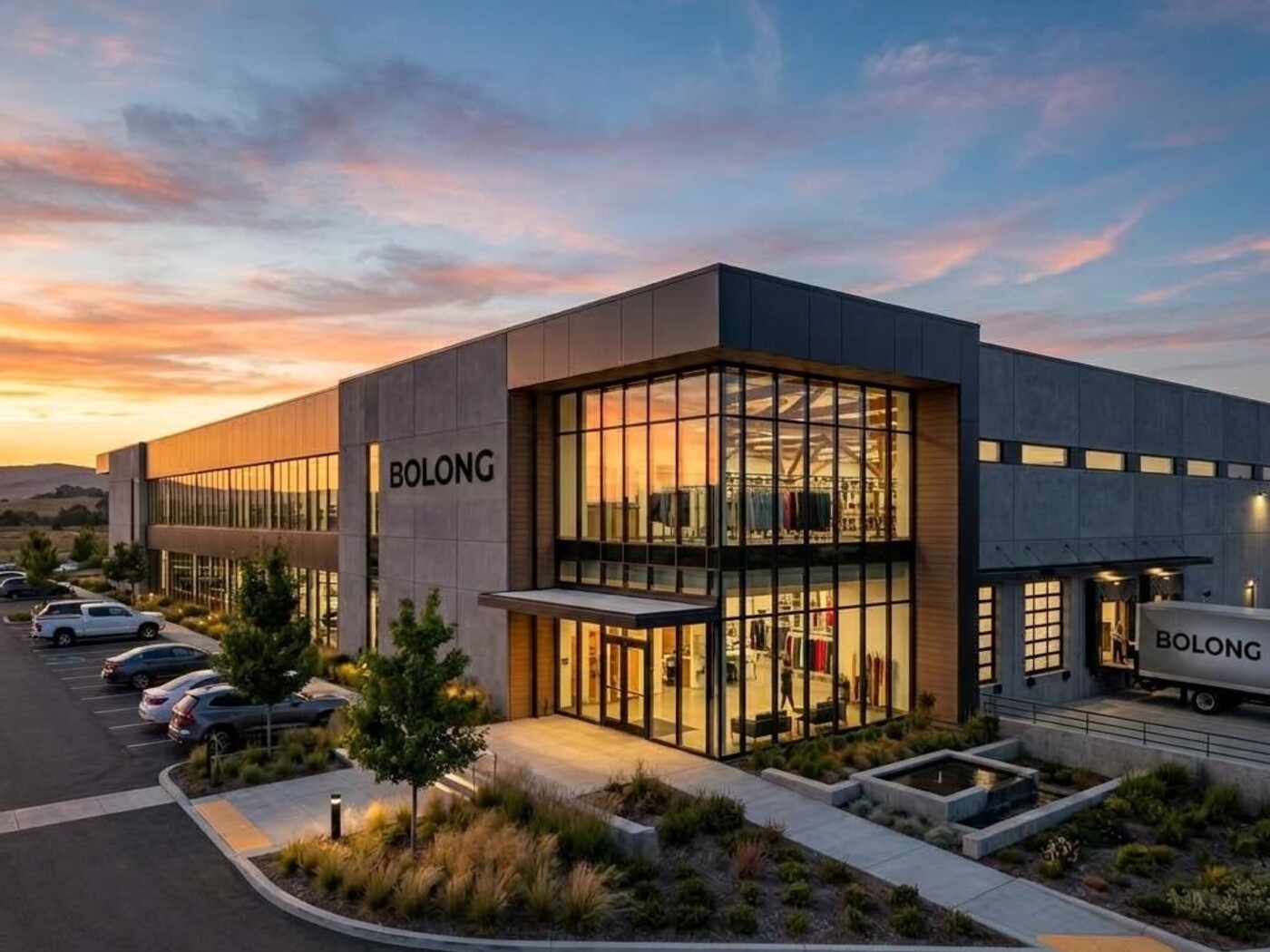
Applying these principles is easier with an experienced manufacturing partner. Bolong has over 30 years of experience managing the complexities of international womenswear production.
Discuss your requirements