Insights

Apparel Manufacturing Insights.

Practical editorial topics for fashion buyers covering development, materials, production, quality and sourcing.

How to Choose the Right Women's Clothing Manufacturer — Bolong
Buyer Guide

How to Choose the Right Women's Clothing Manufacturer

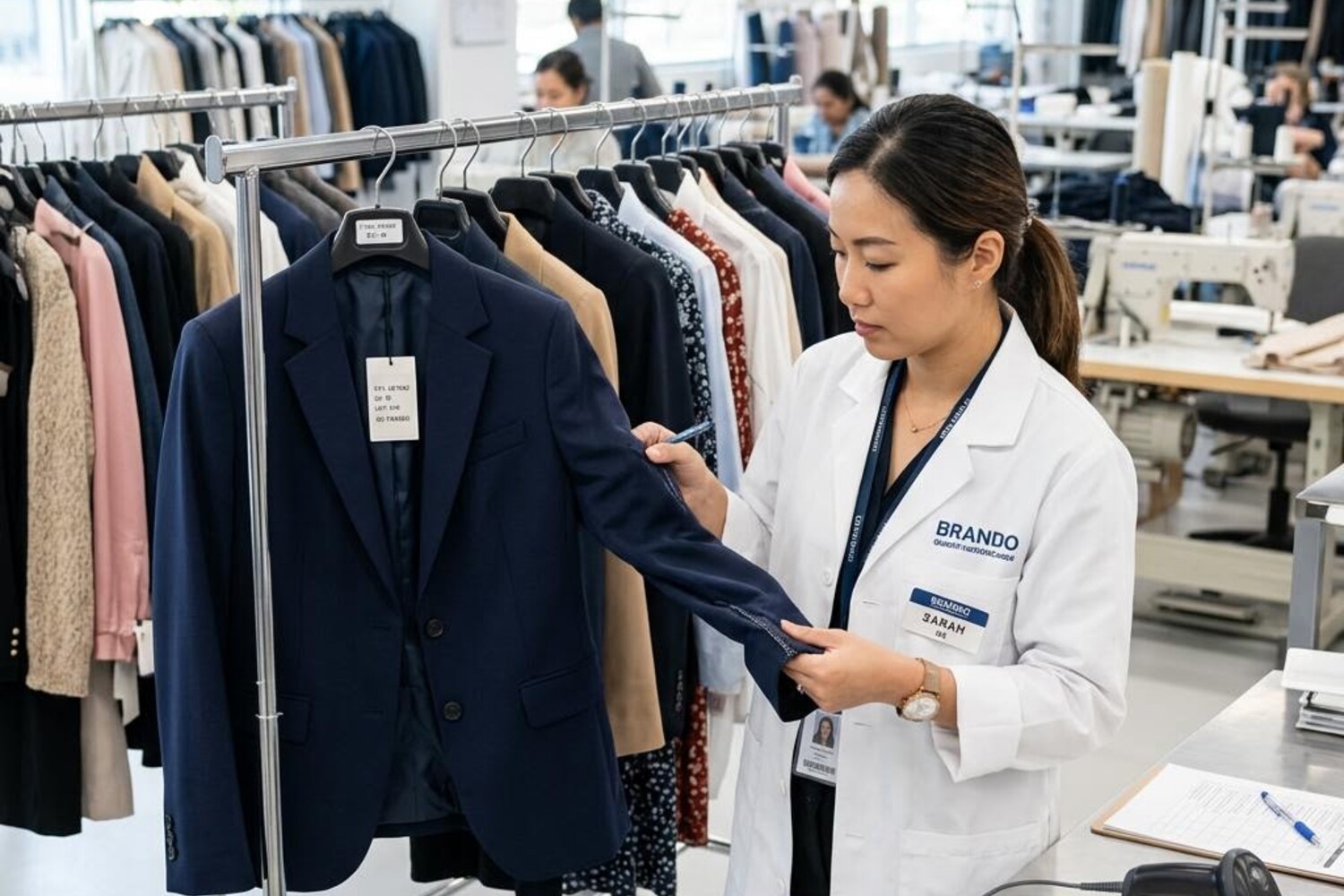
Choosing a women's clothing manufacturer is not simply a price comparison. The best fit can make a collection easier to develop, clearer to approve, and more predictable to ship; the wrong fit can leave a buyer resolving avoidable questions after materials are ordered. Start with evidence about the supplier's relevant product experience, development method, communication, and quality process. Then compare quotations on the same brief. This approach gives overseas buyers a practical basis for selecting a partner rather than relying on a website claim or one attractive sample.

Explore the topic01
OEM vs ODM: Which Model Is Right for Your Fashion Brand? — Bolong
Business Models

OEM vs ODM: Which Model Is Right for Your Fashion Brand?

OEM and ODM are often used as shorthand, yet they lead to different buyer responsibilities. OEM is usually the route for a brand with a finished design and detailed specifications; ODM starts from a supplier's existing development and adapts it to the buyer's assortment. Neither is automatically faster, cheaper, or more creative. The better choice depends on how much design ownership, testing, sourcing control, and internal development capacity your brand has. Define those needs before asking a supplier to quote.

Explore the topic02
From Sample to Bulk: How a Women's Jacket Is Manufactured — Bolong
Production

From Sample to Bulk: How a Women's Jacket Is Manufactured

A women's jacket moves from concept to bulk through decisions that affect fit, appearance, cost, and repeatability. Jackets combine shell fabric, lining, interfacing, pockets, closures, and often structured details, so a good-looking early sample is not yet a production instruction. Overseas buyers get better results when each stage produces a clear output: an approved brief, confirmed materials, a measured sample, controlled bulk execution, and documented packing. The following route helps buyers know what to review and when.

Explore the topic03
What Fashion Buyers Should Prepare Before Requesting a Quote — Bolong
Planning

What Fashion Buyers Should Prepare Before Requesting a Quote

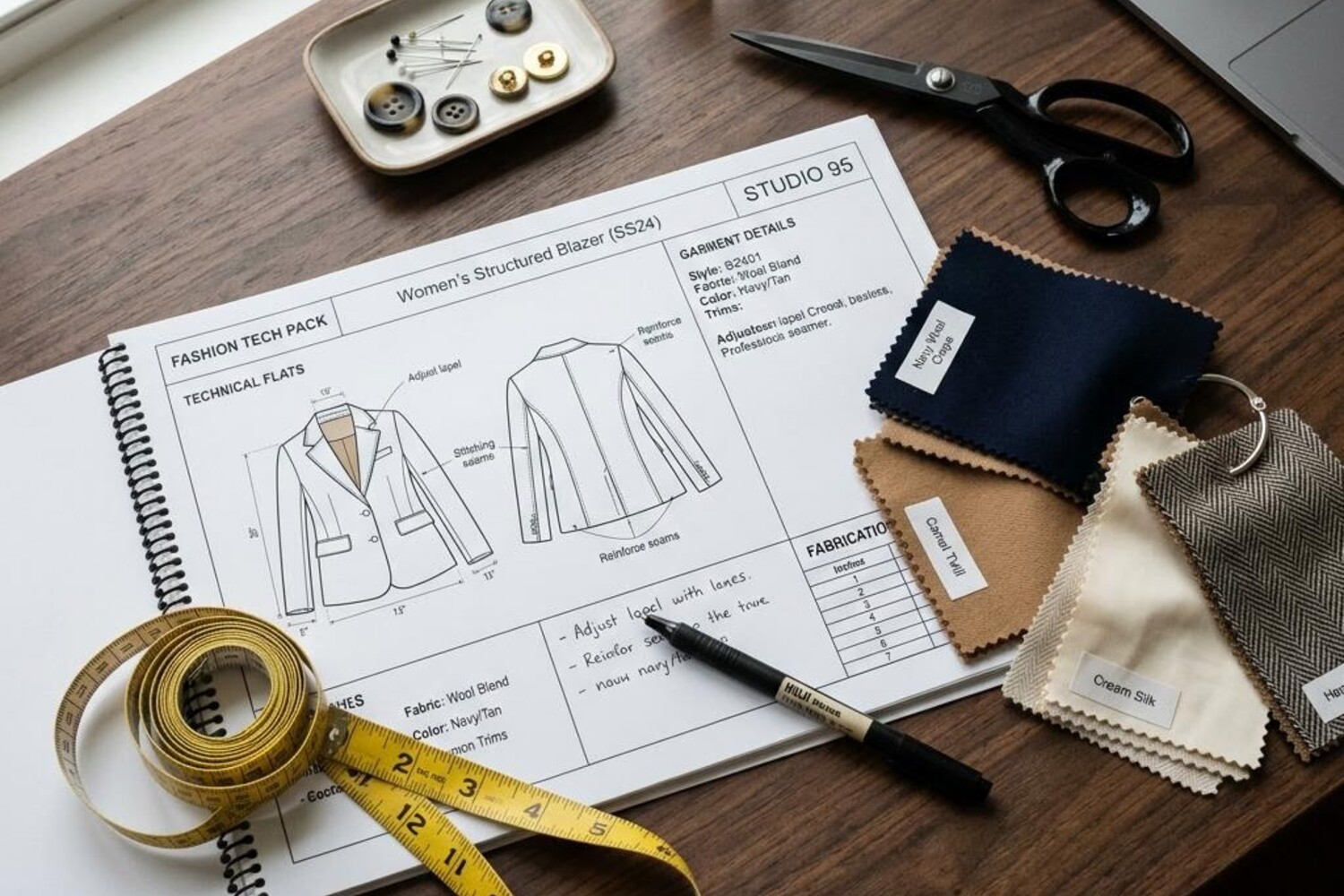
A useful apparel quotation is a response to a defined product, not a guess based on a photograph. When key information is missing, suppliers must price assumptions; those assumptions may later change the product cost, sample route, or delivery plan. A well-prepared request lets buyers compare suppliers fairly and identify technical questions early. It also gives the manufacturer enough context to say whether the proposed garment is practical. Use this checklist before sending a quote request for womenswear.

Explore the topic04
How to Balance Cost, Quality and Lead Time — Bolong
Management

How to Balance Cost, Quality and Lead Time

Cost, quality, and lead time are linked choices in apparel sourcing. A change to fabric, construction, order mix, approval timing, or packing can improve one priority while putting pressure on another. The goal is not to demand all three at their theoretical maximum; it is to identify which requirements are non-negotiable for a specific collection and make trade-offs openly. Buyers who plan decisions around the production calendar can protect product intent while avoiding expensive last-minute changes.

Explore the topic05
Behind the Making of a Padded Jacket — Bolong
Manufacturing

Behind the Making of a Padded Jacket

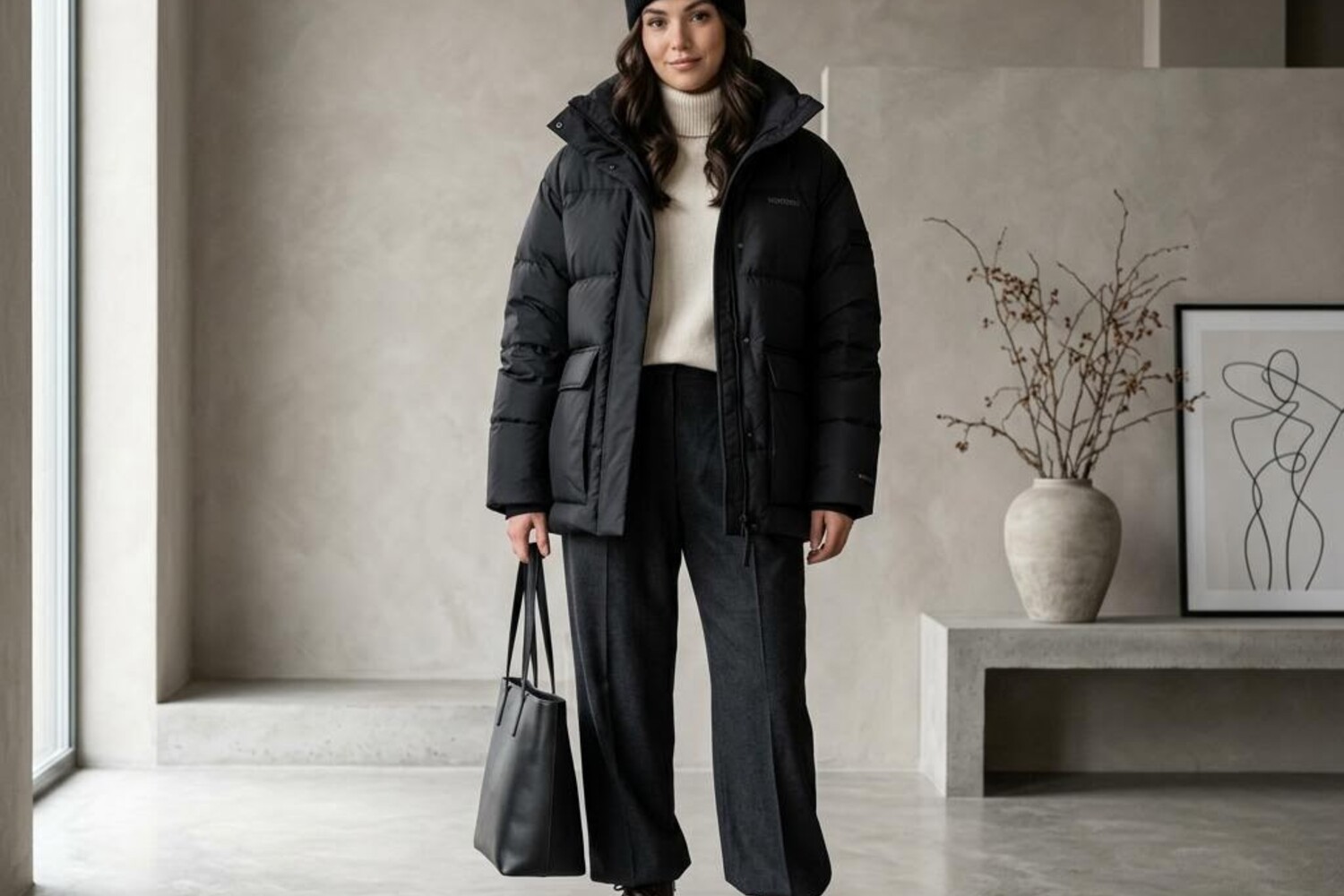
A padded jacket is a system, not just a shell with filling. Its warmth, silhouette, durability, and price are influenced by the shell, lining, insulation, quilting layout, closures, and finishing. For buyers, the important task is translating a visual idea into specifications that can be sampled and repeated. Understanding the manufacturing sequence helps a fashion team ask better questions about fill distribution, panel design, bulk materials, and packing—without assuming that two jackets with a similar appearance perform or cost the same.

Explore the topic06
Leather vs PU for Fashion Collections — Bolong
Materials

Leather vs PU for Fashion Collections

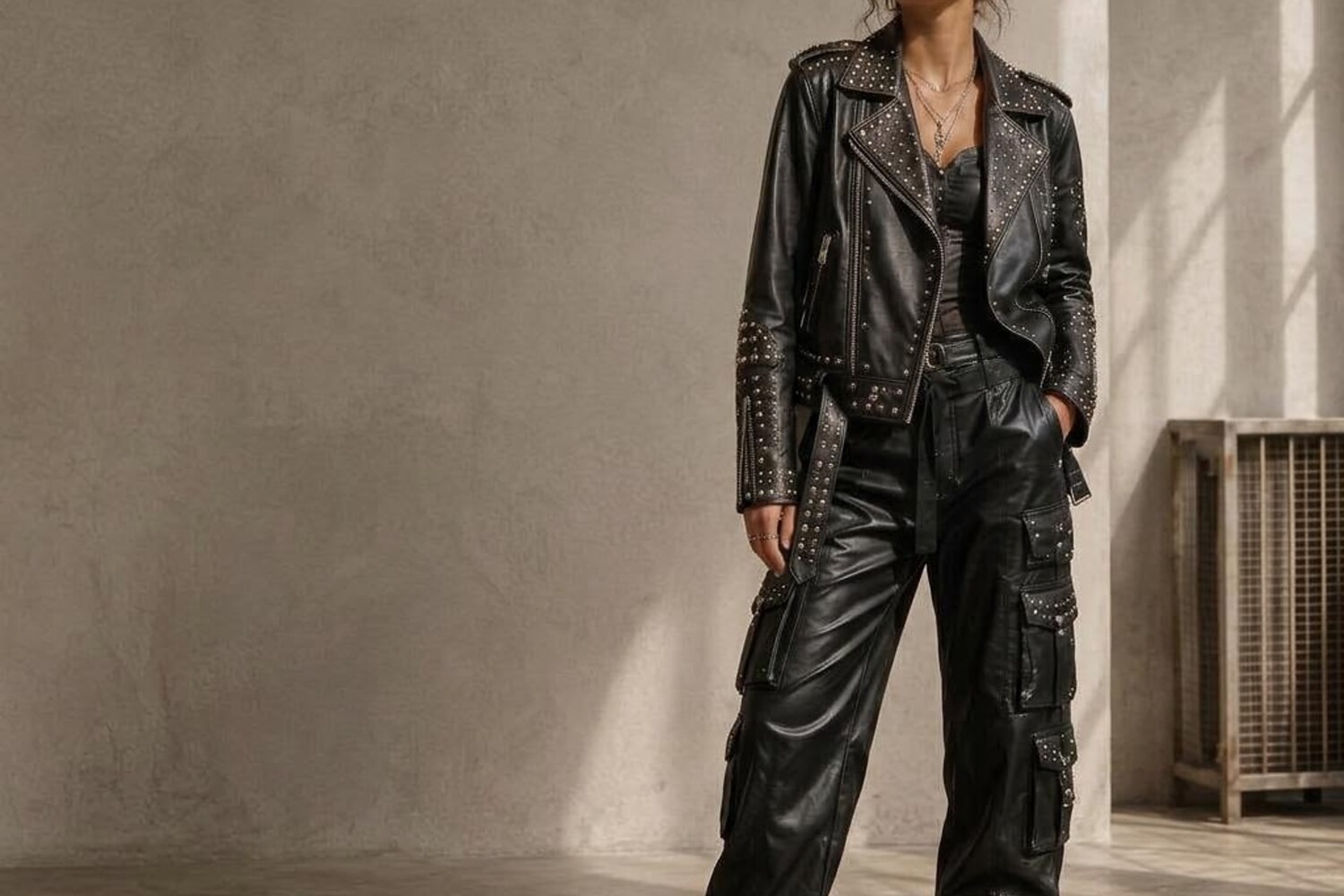
Leather and PU can create similar fashion silhouettes, but they are different material choices with different sourcing, construction, care, cost, and customer-communication implications. The right choice is not universal: it depends on the collection's price position, look, hand-feel, durability expectations, market rules, and brand policy. Buyers should compare physical samples and specifications rather than deciding from a product image. A clear material brief also helps a manufacturer choose suitable sewing methods, linings, trims, and finishing.

Explore the topic07
How Fast Fashion Is Changing Apparel Manufacturing — Bolong
Industry

How Fast Fashion Is Changing Apparel Manufacturing

Fast fashion has compressed the time between a market signal and a selling season, but speed alone is not a sourcing strategy. Frequent drops, smaller experiments, digital feedback, and changing customer expectations increase the need for disciplined product information and quicker decisions. For overseas apparel buyers, the practical question is how to respond without losing control of fit, materials, quality, or brand identity. A flexible process begins with a clear brief and realistic communication about what can still change.

Explore the topic08