OEM vs ODM: Which Model Is Right for Your Fashion Brand?
OEM and ODM are often used as shorthand, yet they lead to different buyer responsibilities. OEM is usually the route for a brand with a finished design and detailed specifications; ODM starts from a supplier's existing development and adapts it to the buyer's assortment. Neither is automatically faster, cheaper, or more creative. The better choice depends on how much design ownership, testing, sourcing control, and internal development capacity your brand has. Define those needs before asking a supplier to quote.
OEM: build from your specification
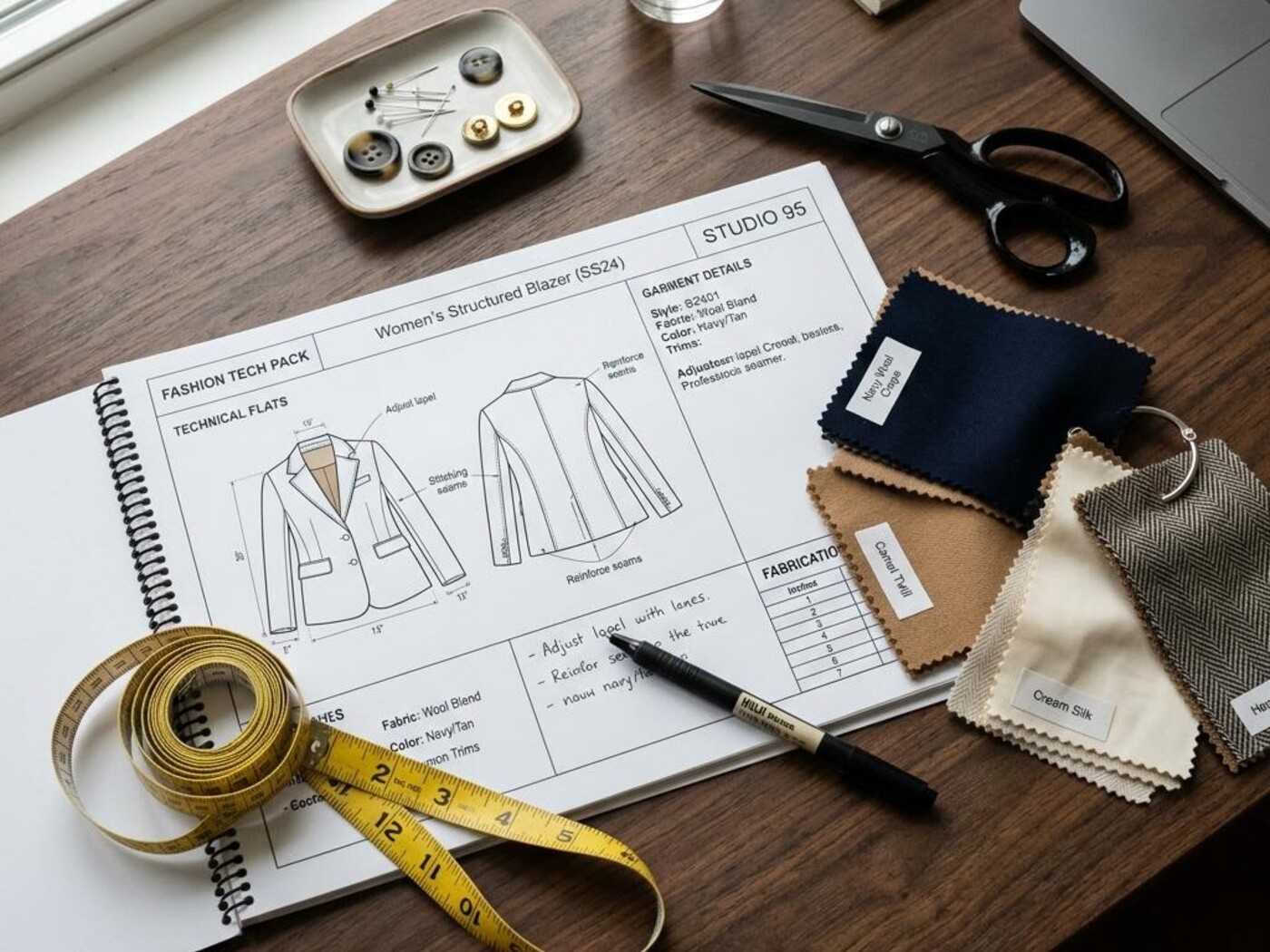
In an OEM project the buyer normally supplies the design intent: sketches, measurements, construction details, bill of materials, labels, artwork, and fit direction. The manufacturer converts that information into patterns, samples, and production. OEM protects a distinctive product concept only when the brief is complete and decisions are documented. Allow time for pattern interpretation, fit rounds, fabric confirmation, and approval of a production-standard sample.
ODM: start with a developed base
ODM uses a supplier-developed style, block, or seasonal direction as the starting point. A buyer may select colors, fabrics, trims, branding, or limited changes, subject to what can be developed and approved. It can reduce early design work, but it does not remove the need to review fit, construction, material suitability, and commercial terms. Ask which elements are standard, which are changeable, and whether a requested alteration creates a new development path.
Compare control, risk, and workload
OEM gives the buyer more control over design details and places more responsibility on the buyer to supply accurate information and approvals. ODM can give a smaller team a useful starting point, while requiring careful differentiation for the brand. For either model, agree ownership and use of artwork, patterns, samples, and proprietary materials in writing. Do not assume that a term alone settles those questions.
Choose with a decision checklist
Choose OEM when your team has a defined product architecture, technical capability, and need for a specific construction. Consider ODM when you need a credible base style, want to test an assortment direction, or have limited internal development resources. In both cases, ask for sample stages, quotation assumptions, material options, minimums where applicable, and the approval gates before bulk. Compare the total development effort, not just the first sample price.
Working with a supplier
Bolong provides OEM, ODM, and private-label support for womenswear and can assist with product development, fabric sourcing, sampling, manufacturing, own QC, export packing, documentation, and shipment coordination. That support should be scoped against your brief: a tech pack may call for OEM execution, while a seasonal concept may benefit from ODM input. Keep one approved specification as the source of truth throughout either route.
Partner with Bolong
Applying these principles is easier with an experienced manufacturing partner. Bolong has over 30 years of experience managing the complexities of international womenswear production.
Discuss your requirements