Behind the Making of a Padded Jacket
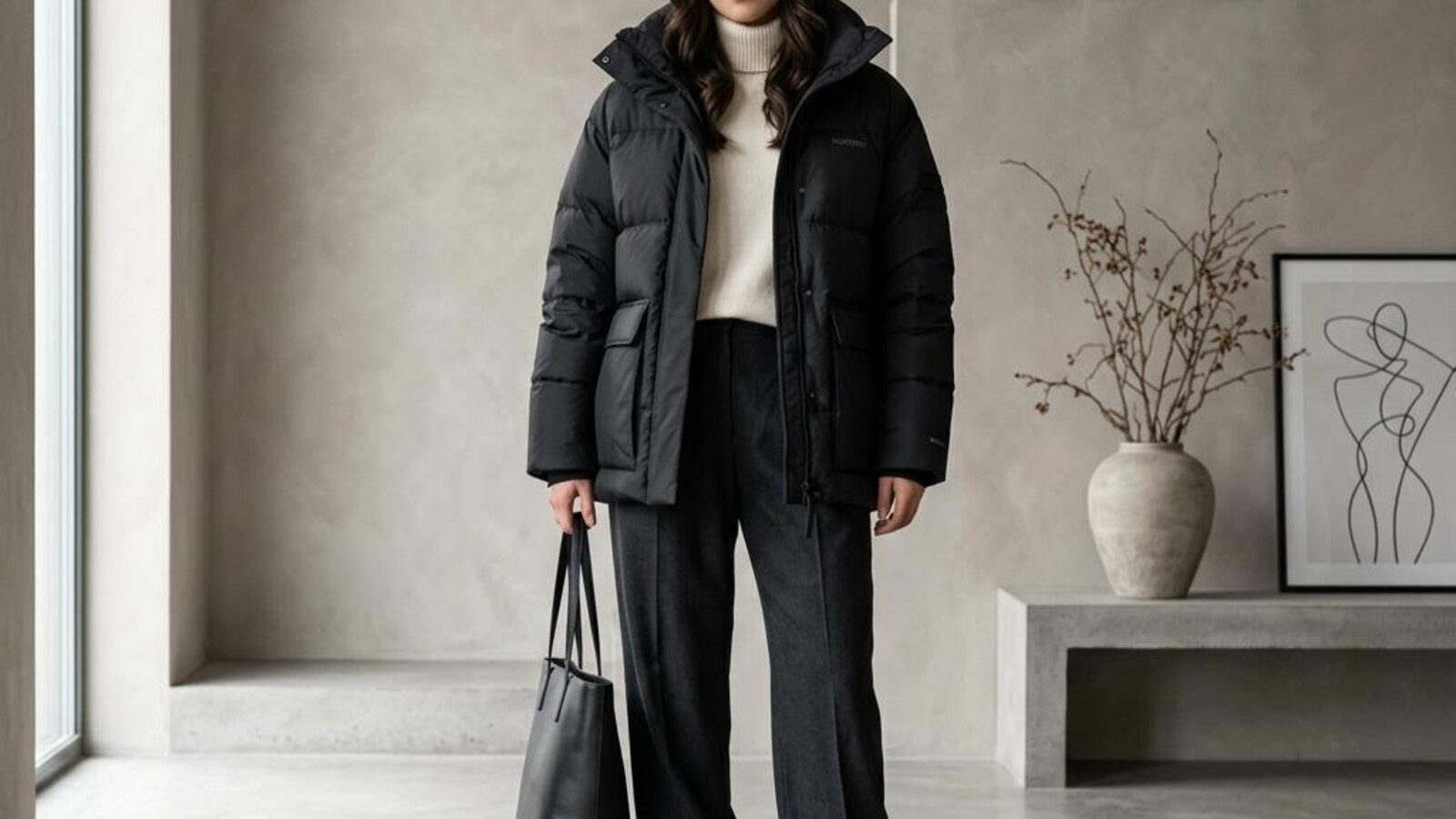
A padded jacket is a system, not just a shell with filling. Its warmth, silhouette, durability, and price are influenced by the shell, lining, insulation, quilting layout, closures, and finishing. For buyers, the important task is translating a visual idea into specifications that can be sampled and repeated. Understanding the manufacturing sequence helps a fashion team ask better questions about fill distribution, panel design, bulk materials, and packing—without assuming that two jackets with a similar appearance perform or cost the same.
Specify the insulation system
Start with the intended use, silhouette, and target feel. Define the shell and lining, insulation type and placement, quilting or baffle layout, and whether the jacket needs a hood, storm flap, elasticated openings, or special pockets. The buyer should provide a reference for volume and shape, then review how the selected materials affect it. Insulation and shell behavior can alter seam bulk, drape, and the finished appearance.
Engineer panels and quilting
The pattern divides the design into panels that can be cut, sewn, and filled or quilted consistently. Quilt lines are both visual and functional: their spacing and construction influence how insulation stays distributed. Alignment at center fronts, pockets, sleeves, and side seams deserves review. A first sample can reveal whether the style needs adjusted panel widths, reduced seam bulk, or a different quilting approach before materials are committed.
Control cutting and assembly
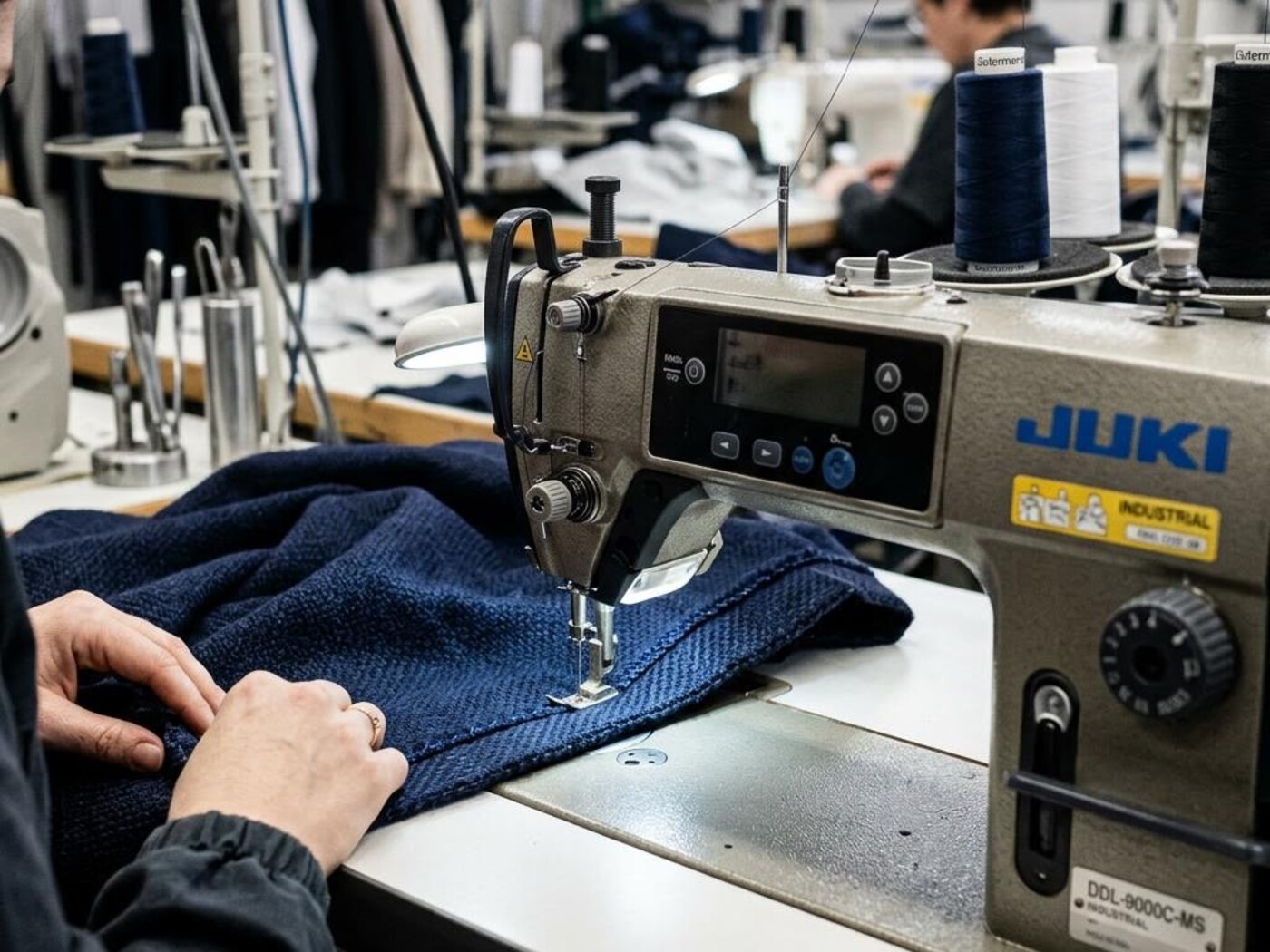
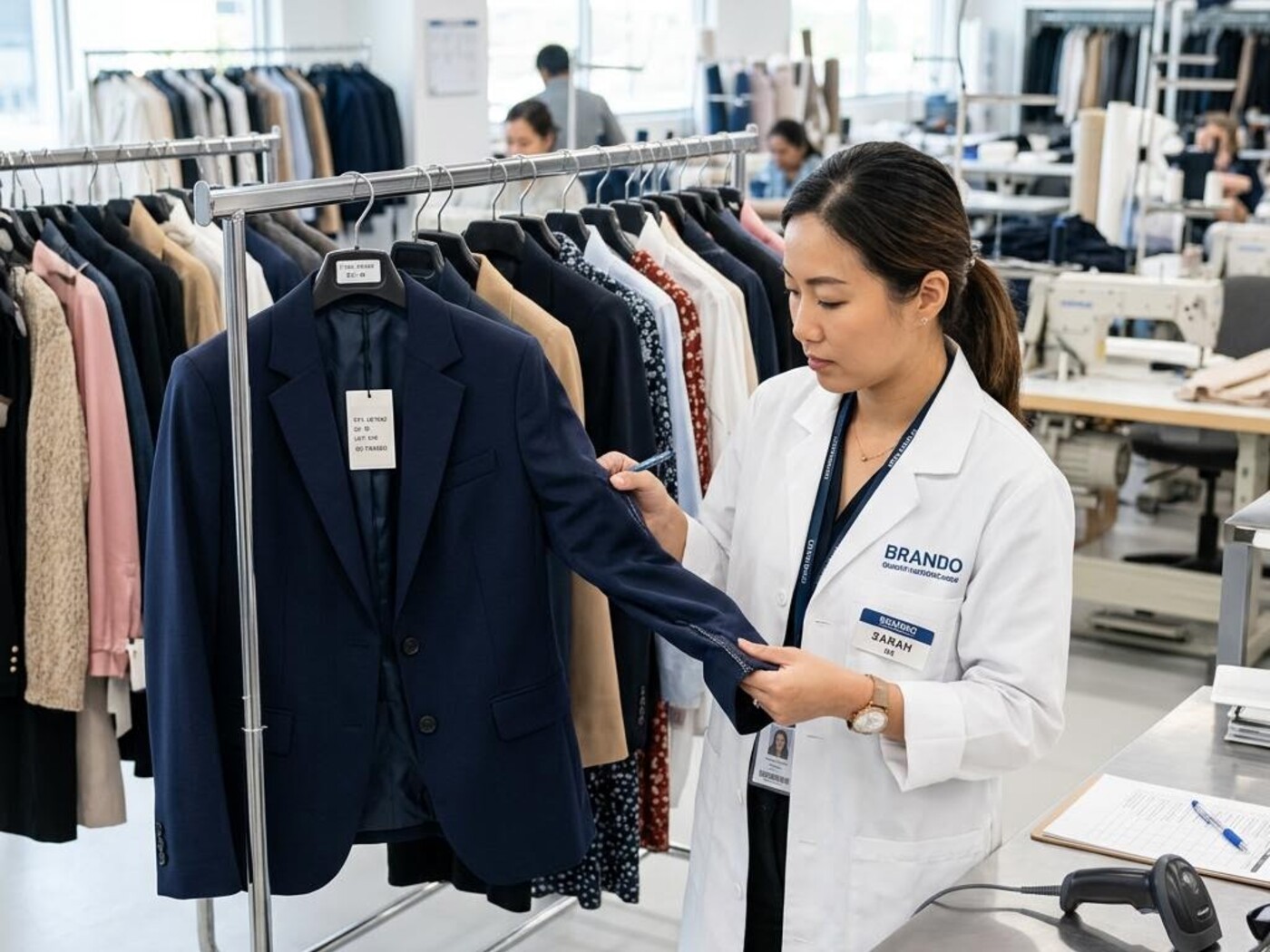
Shell, lining, and insulation are prepared according to the approved construction. Depending on the design, panels may be quilted before assembly or built into chambers during sewing. Operators then join body panels, pockets, sleeves, collar or hood, and closure components while managing bulky layers. Inspectors and line teams should watch for uneven distribution, broken stitching, twisted facings, exposed fill, and asymmetry. Pressing must suit the material so surfaces and insulation are not damaged.
Review function as well as appearance
Try the sample on, zip it, move the arms, examine pocket access, and check that hems and cuffs recover as intended. Compare symmetry, quilting alignment, measurement, closure operation, and labeling with the approved brief. If the product has performance claims, discuss the appropriate testing with your supplier or specialist; do not infer performance from appearance alone. Confirm care instructions with the material suppliers and the final construction.
Bulk and packing checklist
Approve the production sample; lock shell, lining, fill, and trim references; confirm quilting map and measurements; decide acceptable appearance standards; approve labels and care copy; define folding, compression if any, carton marks, and destination documents. Bolong supports padded and quilted womenswear development, sourcing, sampling, manufacturing, own QC, and export coordination. Buyers should still confirm each program's materials and requirements directly.
Partner with Bolong
Applying these principles is easier with an experienced manufacturing partner. Bolong has over 30 years of experience managing the complexities of international womenswear production.
Discuss your requirements