Leather vs PU for Fashion Collections
Leather and PU can create similar fashion silhouettes, but they are different material choices with different sourcing, construction, care, cost, and customer-communication implications. The right choice is not universal: it depends on the collection's price position, look, hand-feel, durability expectations, market rules, and brand policy. Buyers should compare physical samples and specifications rather than deciding from a product image. A clear material brief also helps a manufacturer choose suitable sewing methods, linings, trims, and finishing.
Understand the material difference
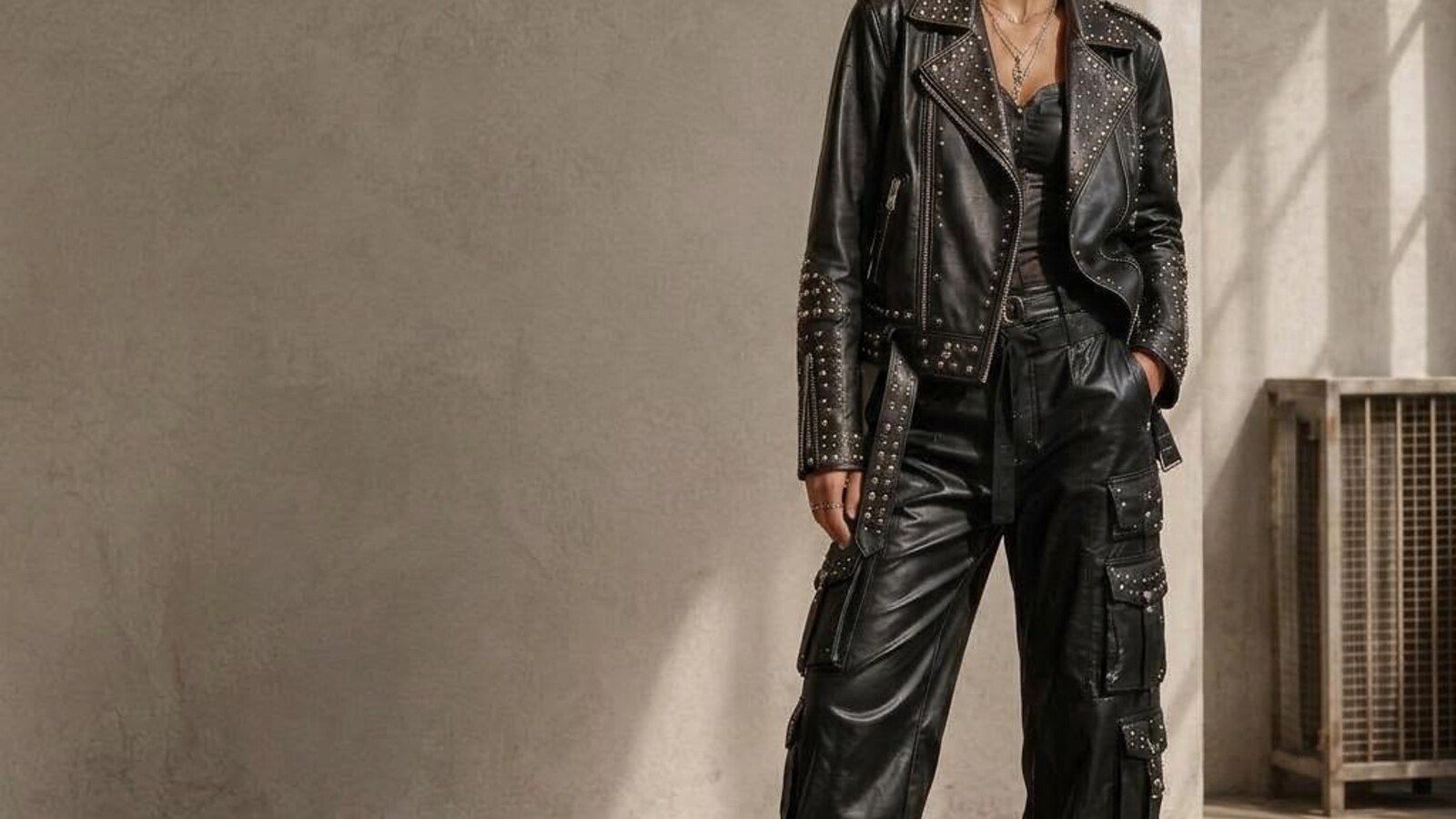
Leather is an animal-derived material with natural variation in grain, thickness, and markings. PU is a synthetic coated material whose appearance and backing can vary widely by specification. Neither label alone tells a buyer enough about softness, stretch, surface behavior, odor, weight, or care. Ask for composition, backing information, thickness or weight where relevant, color reference, and a sample from the proposed lot before approving a fashion program.
Consider design and construction
Leather and PU respond differently to needles, seams, pressing, edge treatment, and repeated stitching. Needle holes may be more visible than in woven fabric, and some surfaces can mark or react to heat. Pocket corners, collar turns, zippers, topstitching, and seam allowances should be sampled in the actual material. A pattern developed for a soft PU may not produce the same result in a firmer leather, even when the style measurements are unchanged.
Compare the commercial decision
Evaluate material price alongside yield, color consistency, wastage allowance, development time, care labeling, and transport weight. A buyer should also consider what the customer expects from the product and how the material can be described accurately in marketing. Avoid using terms such as 'vegan' or sustainability claims unless they are supported by the brand's policy and verified documentation. Ask suppliers what information they can provide for the specific material rather than assuming a claim applies.
Set an approval protocol
Request swatches and a made-up sample, then inspect color, hand-feel, surface uniformity, seam appearance, hardware contact points, and behavior after handling. Record the approved reference and identify acceptable variation. Confirm whether the same material is available for the full color and quantity plan. If a substitute becomes necessary, require a new review of both appearance and construction; a similar color name is not sufficient.
Practical buyer advice
Use a material comparison sheet for every option: composition and backing; weight or thickness; color standard; hand-feel; construction notes; care direction; price basis; and required documentation. Bolong manufactures womenswear including PU garments and offers OEM/ODM/private-label support. The most useful starting point is an approved material sample paired with a complete garment brief, not a generic request for 'leather look.'
Partner with Bolong
Applying these principles is easier with an experienced manufacturing partner. Bolong has over 30 years of experience managing the complexities of international womenswear production.
Discuss your requirements